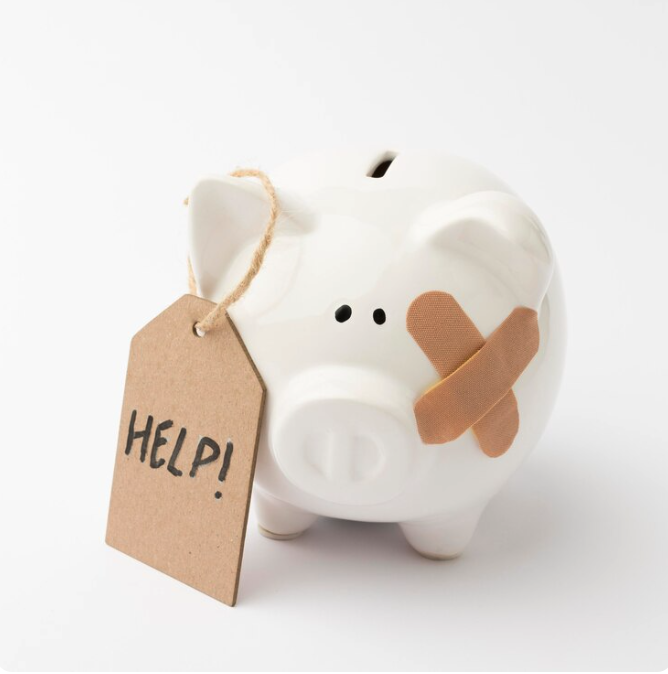

Separating savings and checking, automating and cost-cutting: This is how to start building savings.
Published Fri, Dec 19 2025 by Andreina Rodriguez | Read Original Post Here
Building an emergency fund sounds simple, but it’s not always easy. The idea of saving three to six months’ worth of essential living expenses can feel overwhelming — and for many people, it’s just not realistic.
That’s why we suggest starting small, as long as you start. In the words of Cary Carbonaro, a certified financial planner and managing advisor at Ashton Thomas Private Wealth, an emergency fund is both “a goal and a discipline.” It takes commitment and consistency, but it doesn’t have to feel intimidating. Here’s her three-step plan to building up your emergency fund savings.
Use separate banks for checking and savings
Your first step in building up your savings is to create a barrier between your checking and savings accounts. By banking at separate institutions, you remove easy access to your savings. And if your savings account comes with an ATM card as some do, make sure to unlink it.
Putting your emergency fund in a totally separate bank is a small hack because it creates a psychological barrier, helping you treat the money as off-limits unless you truly need it. The idea is that while you want your savings to be accessible, you don’t want it to be too accessible.
If you have both your checking and savings accounts under the same umbrella, use this as an opportunity to score a welcome bonus for opening a new savings account. With the BMO Savings Builder account, for the first year, new account holders can get an extra $5 every month they save $200 or more — totaling up to $60 in one year. Not only is this free cash, but it encourages you to consistently save. You can make this even more doable if you allocate each week to saving $50, making it $200 over the course of four weeks, or one month.
Automate your savings
Automating your savings removes the tiring routine decision of when and how much to save. When you set up a scheduled transfer from a checking account or your paycheck, you’re less likely to skip a month, plus you don’t have to rely on motivation or willpower.
“Set it and forget it,” Carbonaro says. “Automate it so the money goes straight to your savings when your paycheck hits. Starting small, even $10 or $25 per payday, helps build momentum.
Reroute costs to savings
Of course, the most obvious solution to building up your emergency fund is to simply have more money. While finding more work or getting paid more at your current job is easier said than done, in the meantime cut costs that can be rerouted to your savings. Just identify the categories where you might be able to free up even a small amount.
Carbonaro says most people underestimate how much they spend on “the little things,” and reviewing your expenses cost by cost can help you find some slack — even if it’s an expense that you reduce for a month or two to jump-start your emergency fund.
A budgeting app categorizes spending for you and flags areas where you can cut back. Goodbudget, for example, acts as the digital version of the “cash stuffing” method. You put your funds into different spending categories, each of which has a virtual envelope. Monarch also lets you customize your financial dashboard, so you can organize what’s most important.